Billionaires Bail Out Rural America, Not Trump
Communities across rural America are receiving substantial financial support. This assistance is not originating from political figures like Trump. Instead, ultra-wealthy individuals are stepping forward to provide critical aid.
Affluent philanthropists are progressively taking on the responsibility of addressing deficiencies in essential services, educational systems, and economic prospects that numerous small towns claim have been overlooked for extended periods. As federal government efforts in Washington continue to face partisan stalemates regarding strategies to rejuvenate regions adversely affected by shifts in industry and population demographics, an expanding group of high-net-worth contributors is discreetly transforming the financial landscape of rural locales. They achieve this through massive donations amounting to nine figures and vast land holdings spanning thousands of acres.
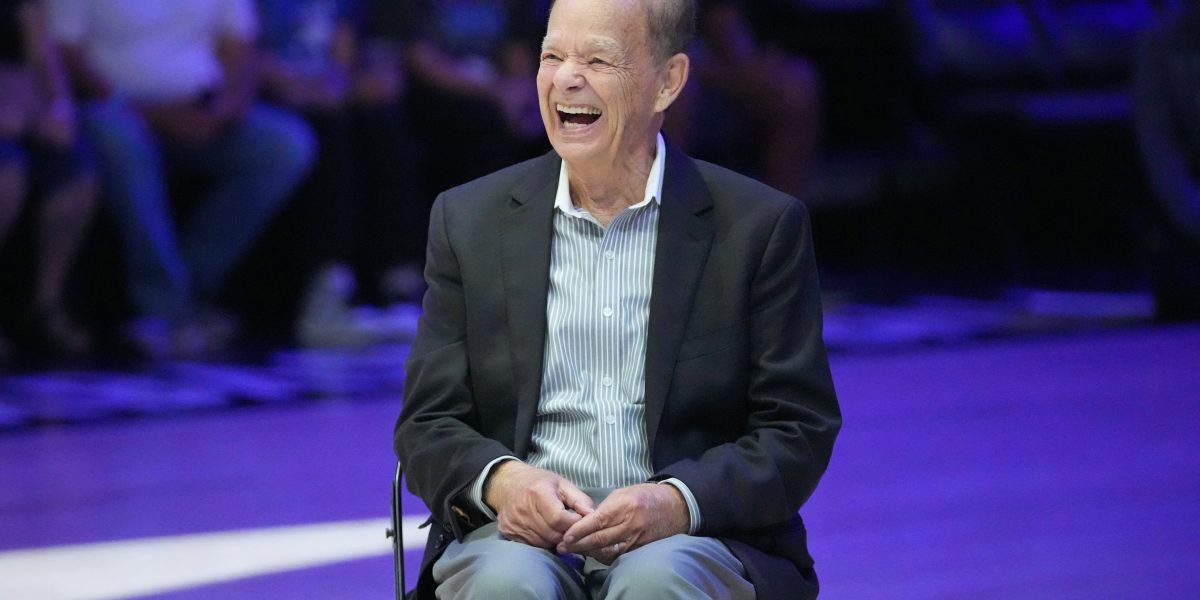
Glen Taylor, a billionaire from Minnesota, exemplifies this trend. He established Taylor Corp. as a dominant force in the printing industry and holds the distinction of being the richest individual in his home state. Now, at the age of 84, this former dairy farm youth from the small town of Comfrey, Minnesota—a community with a population of just 376 residents as of 2024—is channeling a considerable portion of his accumulated wealth back into the rural areas that shaped his early life. He is contributing farmland and securities valued at approximately $100 million to the Taylor Family Farms Foundation. This foundation has a clear directive: to bolster rural communities specifically in Minnesota and Iowa.
Taylor’s contribution is thoughtfully designed not as a singular lump-sum payment but as a sustainable endowment intended to produce ongoing revenue streams for decades to come. This initiative builds upon a previous donation in 2023, when he transferred around $173 million worth of farmland. That earlier gift already facilitates grant distributions via collaborations with local nonprofit organizations operating in the region. Taylor has explained that his motivations stem deeply from his personal history in southern Minnesota, where he toiled on farms and tended to chickens during his formative years. He expressed a heartfelt commitment to generating meaningful improvements in the lives of people within a geographic area he holds in high regard, as noted in his official statement.
Billionaire rural wave
Glen Taylor represents a larger movement among the ultra-wealthy, where donors are deliberately prioritizing investments in small-town and rural American settings over the traditional recipients of philanthropy, such as prominent urban universities and cultural institutions like museums. Consider investment banker Byron Trott, who hails from the small Missouri town of Union. He has committed $150 million to a consortium of higher education institutions aimed at increasing enrollment from rural backgrounds. This effort has already yielded tangible results, including a 20% uptick in applications from such students.
Similarly, philanthropist MacKenzie Scott has shifted her focus toward enhancing educational access in rural environments. She allocated $36 million to community colleges in North Carolina, including institutions like Robeson Community College and Bladen Community College. These donations target some of the most economically disadvantaged counties in the nation, providing vital resources to expand opportunities for local residents. Collectively, these substantial contributions from billionaires underscore a growing awareness that America’s deepening economic and political divisions are increasingly delineated by the contrast between prosperous metropolitan centers and faltering rural districts. Moreover, private philanthropy demonstrates a capacity to implement changes more swiftly and effectively than cumbersome federal government programs.
Politics, power and dependence
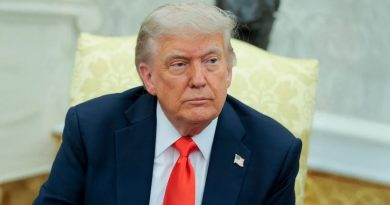
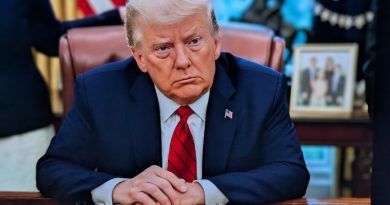
This influx of attention from billionaires arrives at a pivotal moment when rural voters constitute a foundational support bloc for Trump. His messaging about the “forgotten men and women” played a significant role in securing his return to the presidency. However, this narrative has yet to materialize into a comprehensive national strategy for revitalizing small-town economies. In the absence of robust federal intervention, philanthropists such as Taylor, Trott, and Scott are essentially crafting their own blueprints for rural development. Through their foundations and targeted grant programs, they determine critical allocations: which communities receive new ambulances, which volunteer fire departments acquire updated communication radios, and which promising students from modest backgrounds secure pathways to higher education.
Meanwhile, the Trump administration rolled out a $12 billion relief package specifically for farmers grappling with devastating losses triggered by the implementation of his tariff policies, with soybeans bearing the brunt of the impact. During a particularly challenging period in 2025, as Trump and Treasury Secretary Scott Bessent extended backing to Argentina’s Javier Milei—a leader aligned with their views—China abruptly halted all purchases of U.S. soybeans. Beijing pivoted entirely to sourcing from Argentina instead. Following a high-level summit between Trump and Xi, China reinstated its soybean imports from the United States. More recently, Argentina settled its complete $20 billion credit facility extended by the Trump administration.
Kentucky soybean farmer Caleb Ragland shared his perspective with the Associated Press in early January, characterizing the Trump administration’s farmer aid as merely “a Band-Aid on a deep wound.” He emphasized the necessity for genuine market competition and expanded business opportunities to forge a more prosperous long-term outlook for agricultural producers. Ragland’s comments highlight the limitations of short-term financial patches in addressing entrenched structural challenges within the farming sector.
In essence, while political promises capture headlines, it is the strategic, enduring philanthropy from self-made billionaires—who often trace their roots to these very rural communities—that is delivering concrete, lasting support. These donors are not only filling immediate service gaps but also investing in the human capital and infrastructure needed to foster self-sufficiency and growth. Their approach contrasts sharply with episodic government aid, offering a model of sustainable development tailored to the unique needs of rural America. As demographic shifts and economic transformations continue to challenge these areas, the role of private wealth in bridging divides may only grow more prominent, potentially influencing policy discussions and electoral dynamics in profound ways.
This phenomenon prompts broader questions about the balance of power in American society. When private citizens wield resources to shape public goods traditionally under government purview, it raises debates on accountability, equity, and democratic oversight. Yet, for the residents of struggling towns, the immediate benefits—new equipment for first responders, scholarships for ambitious youth, and preserved farmland generating community revenue—are undeniable lifelines. Taylor’s foundation, for instance, not only perpetuates agricultural heritage but also creates a perpetual funding mechanism for local initiatives, ensuring impact beyond his lifetime.
Trott’s university initiative similarly addresses a critical bottleneck: access to elite education for rural talent. By boosting enrollment pipelines, it helps stem brain drain, where bright minds leave small towns for urban opportunities without pathways back. Scott’s community college gifts empower vocational training and associate degrees, essential for trades and local economies. Together, these efforts weave a safety net that federal gridlock has failed to provide, demonstrating philanthropy’s agility in responding to grassroots needs.
Looking ahead, this billionaire-led resurgence could inspire replication elsewhere. Other tycoons with rural origins might follow suit, pooling resources into collaborative funds or regional development trusts. Such momentum might even pressure policymakers to match private innovation with public commitments, creating hybrid models of support. For now, rural America’s rescuers are clear: not presidents or parliaments, but practical visionaries armed with fortunes forged from humble beginnings.